From the internet of 2011 to marketing in the age of AI
In 2011, Google was the starting point for almost every online search, Facebook was changing the way people and brands communicated, and the smartphone was starting to move the internet from the computer into our pockets. Instagram was barely a year old, TikTok did not exist and ChatGPT was, at the very least, a decade away.
That same year, the story of Digital Diggersbegan. We started in Romania as Devoratorii de Marketing. There were four of us, entering an industry where the next 15 years would change almost everything: platforms, formats, algorithms, technology and, above all, the way people search, choose and communicate online.
Looking back, our agency’s story runs in parallel with that transformation. We moved from desktop to mobile, from Facebook pages to algorithmic feeds, from banners to content creators, and from a few words typed into Google to entire conversations with an AI. Every time the internet changed, marketing had to change with it.
So did we.
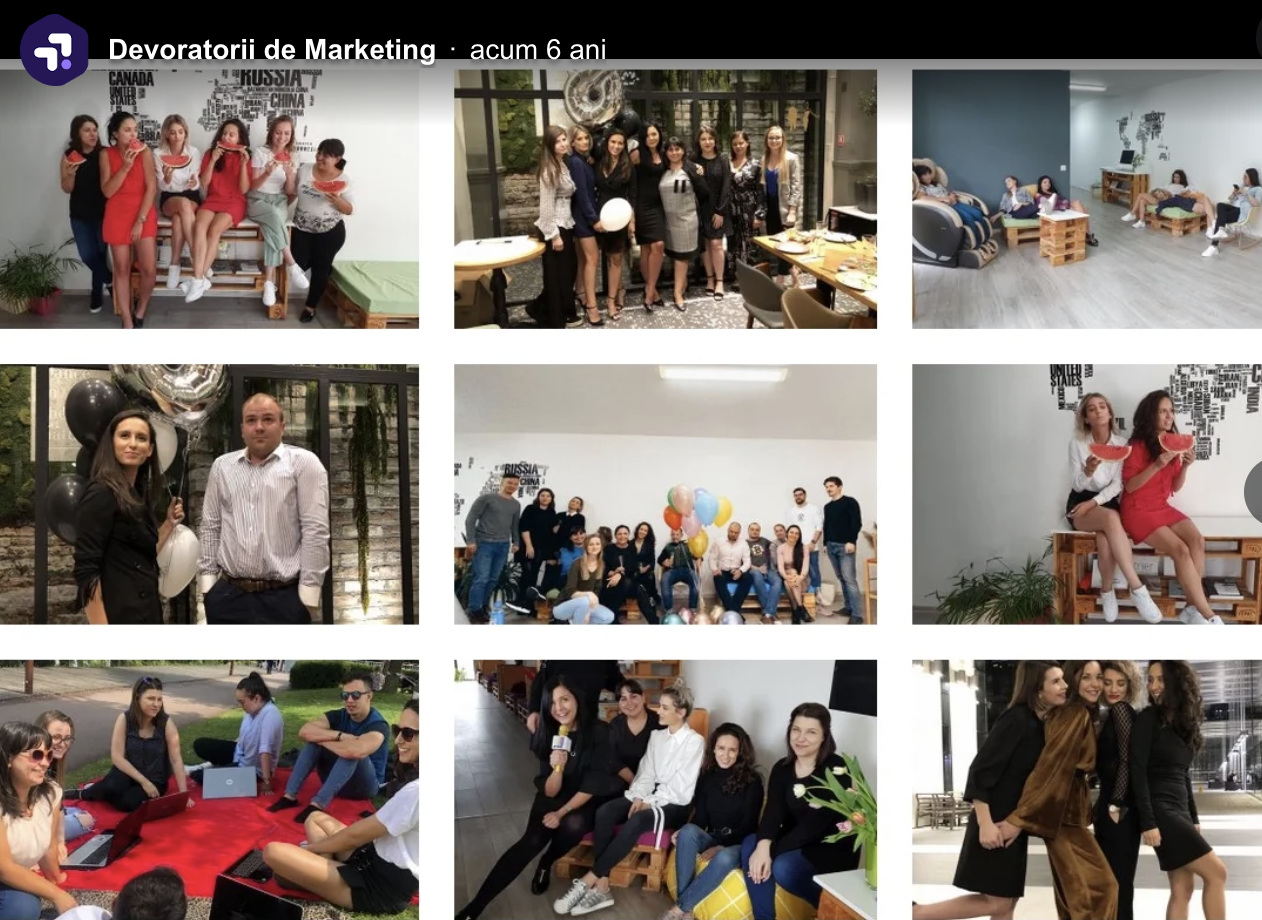
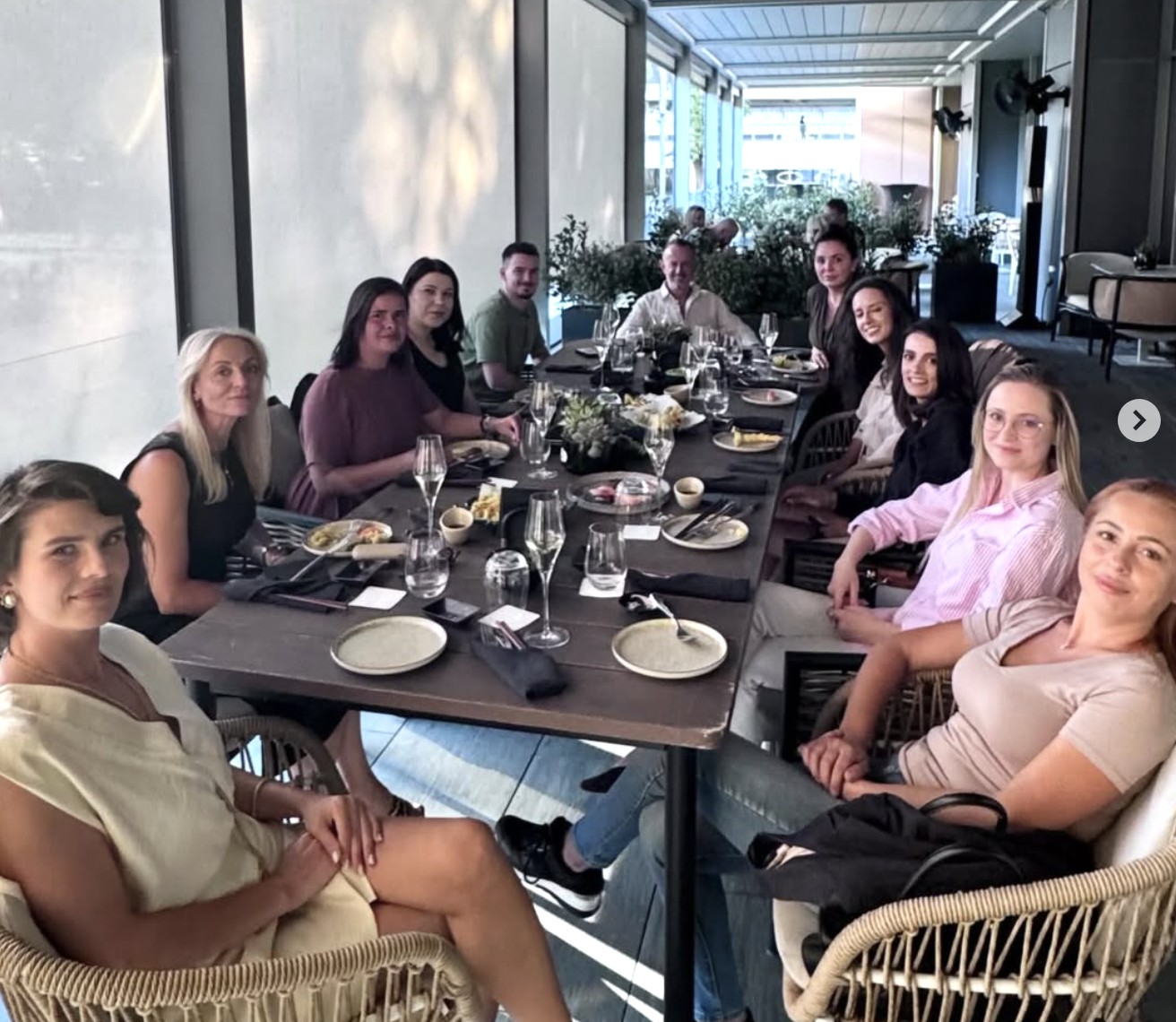
From the Digital Diggers archive. Not every agency photo is taken for LinkedIn. Luckily.
2011–2014. When digital was starting to earn its place
One of our first clients was Château d’Ax. In 2011, the brand’s online presence was limited to a corporate website that was not even properly indexed by search engines. We started with SEO, then moved into Facebook strategy and email marketing, and the partnership lasted nine years, including SEO projects for Italy, Spain, Belgium and Portugal.
Today that seems normal. Back then it was not. For many companies, digital was still an extension of traditional communication. The website was the destination, Google was the main road to get there, and Facebook was starting to make something new possible: a daily relationship between brands and people. For us, those early years were a school in SEO, websites, PPC, Social Media and email marketing.
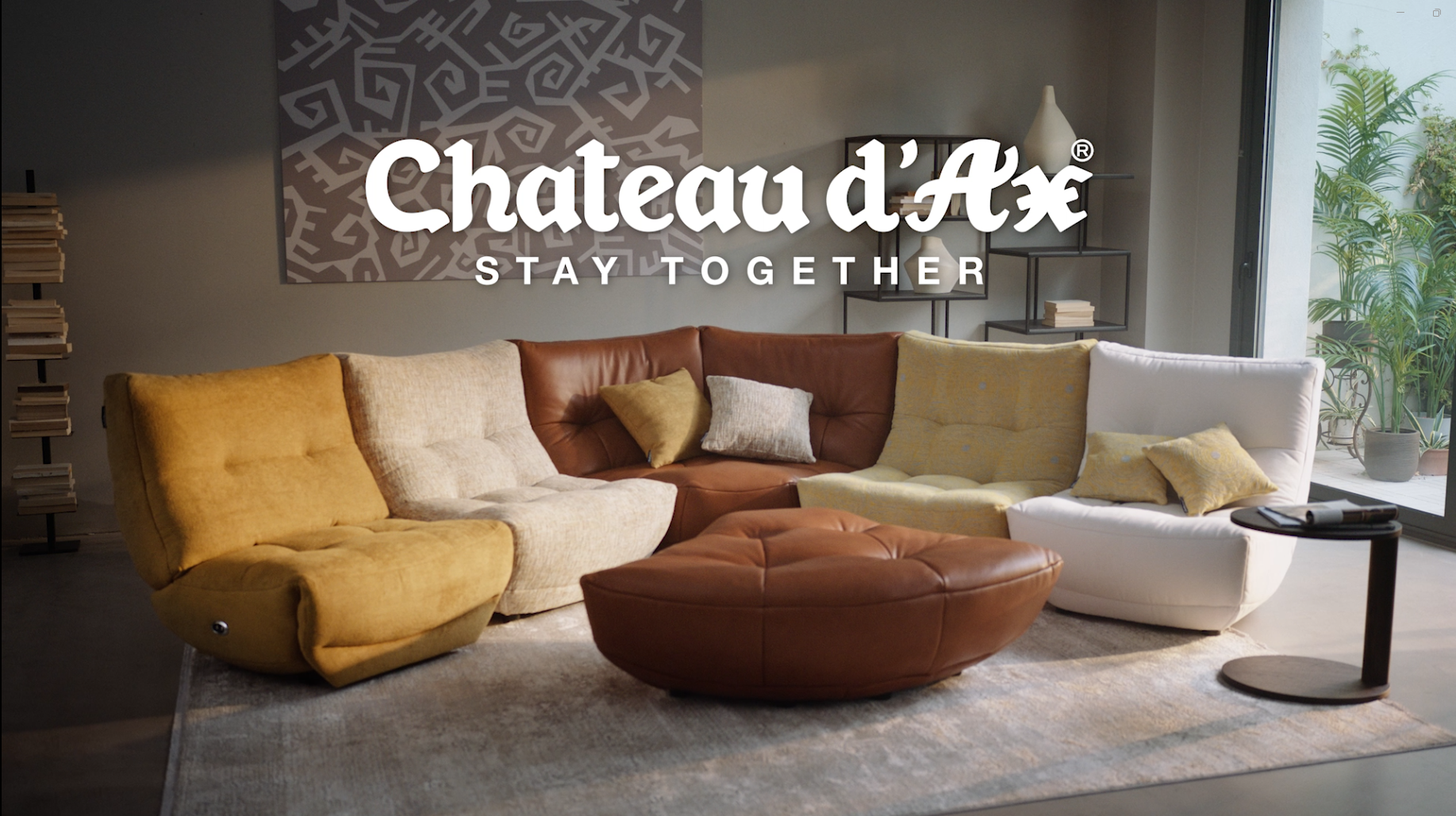
A very different internet.
2015–2017. Content starts to travel differently
Meanwhile, the internet had left the desktop and was living permanently in our pockets. We no longer went online only when we had something to look up. We spent more and more time there, and that also changed the relationship between brands and people.
In 2015 we launched our newsletter. Email, blogs, Facebook and video were becoming tools a brand could use to build its own voice and an ongoing relationship with its audience.
Transart is one of those examples that tell the story of continuity better than any client list.
Around the same time, people were starting to become media in their own right. Creators were building communities, videos were getting easier to produce and distribute, and influence no longer belonged only to the media or to brands with big budgets.
We jumped on board as the change was happening. Campaigns followed with Romanian creators such as Mircea Bravo, Ioana Grama or Alina Ceușan, our first influencer marketing projects and, in 2017, UNTOLD, one of Europe’s biggest music festivals, with StarShinerS. It was a time when a brand’s voice was also starting to be built through the people it chose to work with.
2018–2019. Digital gets more complex
By the end of the decade, being present online was no longer enough. People moved between Google and Facebook, Instagram, the website and email before making a decision; advertising was becoming more sophisticated, and data made it possible to understand their behavior far more precisely.
Agencies were changing too. A screenshot of our website from that time says almost everything: SEO Strategist, PPC Senior, Google Partner, Facebook Blueprint, SEMrush, Programmatic, Criteo. We did not keep it out of nostalgia, but because it shows how specialized digital marketing had already become.
At the same time, the team was growing. New colleagues, projects and clients arrived, and some of the partnerships that started back then are still going today; projects that have become more international, just like the team, the clients and the markets we work in.
2020–2022. When almost everything had to go digital
And then came 2020. The pandemic did not invent digitalization, but it sped it up. Shops, services, meetings, events, work and communication moved online at a pace many companies were not ready for.
We were talking about it at the time, not with hindsight.
In those years, the line between business and digital business became harder and harder to draw. The website, e-commerce, advertising, video and Social Media became directly tied to sales, leads and business continuity. Digital marketing was no longer just about communication; it was increasingly about how the company worked.
2023–2024. The internet starts answering back
ChatGPT launched at the end of 2022, and by 2023 we were already talking about AI with our clients and our community. We prefer the posts from back then to claiming now that “we saw it coming”.
For marketing, the big change was not just the arrival of a new tool. The way people reached information was changing. For two decades we had grown used to searching: we typed a few words, got a list of results and started browsing. Now we could ask, keep the conversation going, request comparisons, explanations and recommendations. And that was going to change the rules again.
2025–2026. From being found to being understood
Today, the path from a need to a decision is far less linear than in 2011. We discover a product on Instagram, search for it on Google, visit the website, ask ChatGPT for alternatives, watch a video, read reviews and come back before choosing.
Search, Social Media, the website and Paid Media are still here. What has changed is the relationship between them. A brand has to be found, understood and put in context both by people and by the systems they use to find answers.
Search. Social. AI.
15 years later
We started as four. At our peak we were a team of up to 30 people, and today we are 12.
Between those two numbers lie 15 years of projects, clients, colleagues, campaigns, offices, cities and countries, newsletters, Google updates, Facebook posts, stories, ads, influencers, videos, platforms that came and went and, more recently, prompts and AI.
But if we look at the archive, these 15 years look more like this:
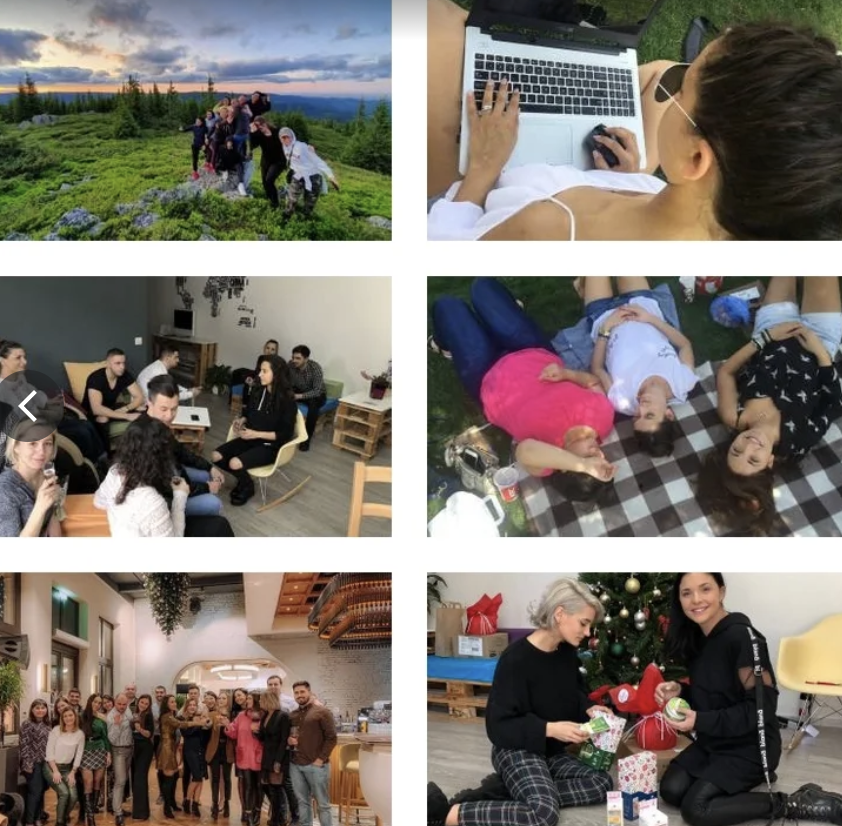
Offices, anniversaries, lunches together, events, picnics, laptops open in places where we probably should not have been working, and a great many people who, for a shorter or longer time, were part of the story.
Some things have changed a lot. Others, less so.
We have changed offices, tools, services, platforms and the way we do our work. Some colleagues came and went; others have been with us from the start or for many years. We have had projects lasting a few months and client relationships measured in years.
Experience in digital is not about knowing how things were done 15 years ago, but about having been there when they changed and having learned, each time, to do them differently.
In 2011 we did not know we would get this far. We do not know what marketing will look like in another 15 years either, but we do know what we did every time the rules changed: adapt.
15 YEARS OF ADAPTING · 2011–2026
One team, many chapters, the same habit of adapting.